
|
|
Product Description
One of the principal goals of antipoverty efforts should be to improve the absolute living standards of the least well-off. This book aims to enhance our understanding of how to do that, drawing on the experiences of twenty affluent countries since the 1970s.The book addresses a set of questions at the heart of political economy and public policy: How much does economic growth help the poor? When and why does growth fail to trickle down? How can social policy help? Can a country have a sizeable low-wage sector yet few poor households? Are universal programs better than targeted ones? What role can public services play in antipoverty efforts? What is the best tax mix? Is more social spending better for the poor? If we commit to improvement in the absolute living standards of the least well-off, must we sacrifice other desirable outcomes?

Customers Who Bought This Item Also Bought
- Social Problems
- Globalization: The Essentials
- Readings in Deviant Behavior (6th Edition)
- Sociological Theory, 9th Edition
- Social Theory: Roots and Branches
- Poverty in America: A Handbook
- $2.00 a Day: Living on Almost Nothing in America
- An Invitation to Social Research: How It's Done
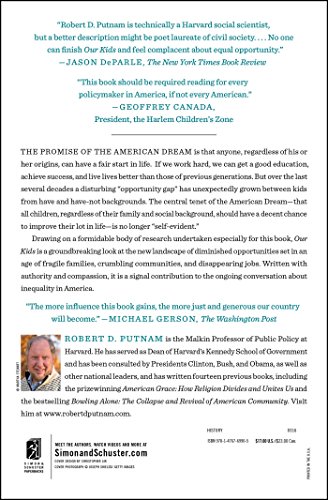
- Our Kids: The American Dream in Crisis
- Poor Economics: A Radical Rethinking of the Way to Fight Global Poverty
*If this is not the "Progress for the Poor" product you were looking for, you can check the other results by clicking this link
 .
Details were last updated on Mar 9, 2026 17:18 +08.
.
Details were last updated on Mar 9, 2026 17:18 +08.